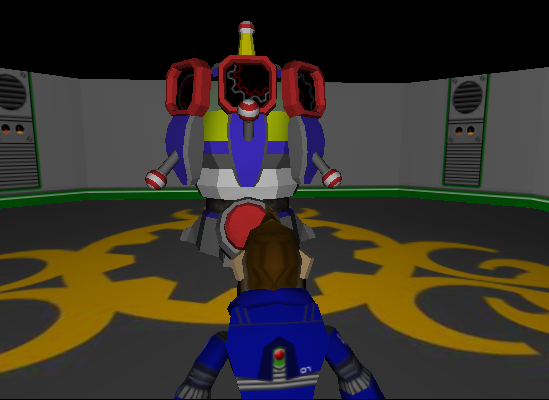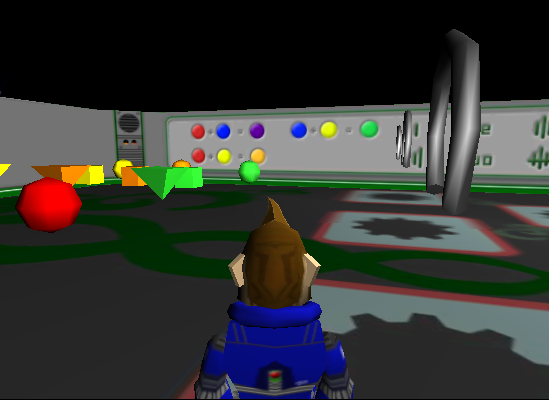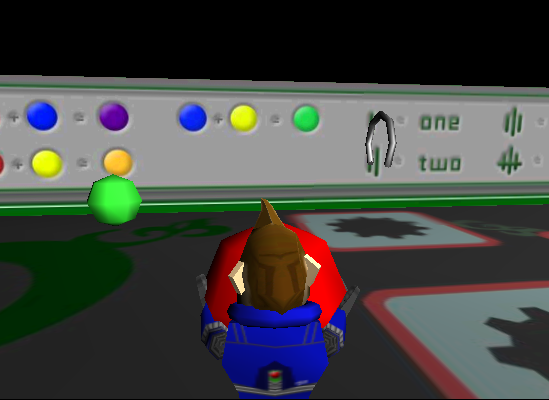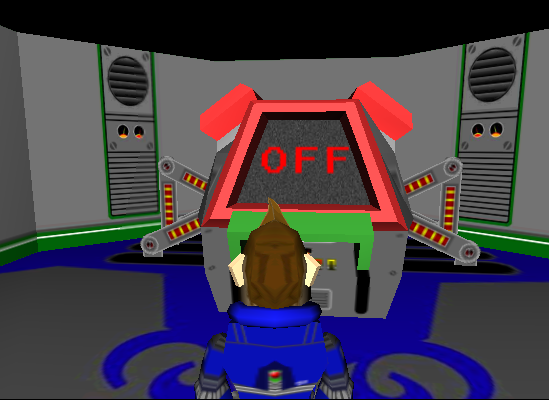
DIVER 2000 SERIES CX-1
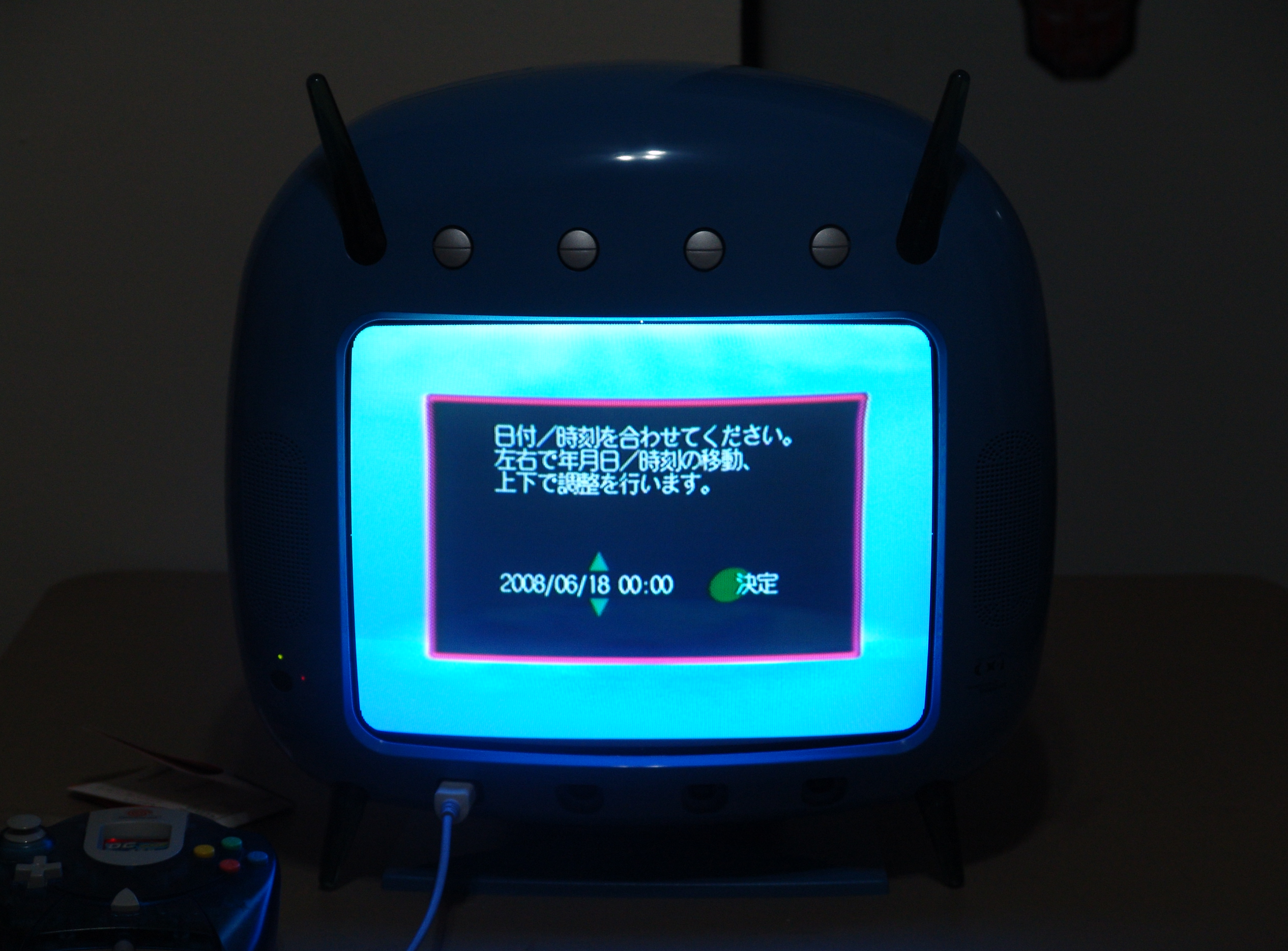
Nana, my MFADT thesis, is a non-player game built with a modified video game console and a repurposed game controller. The project reduces the role of human players to mere spectators and explores the interplay between machines. Nana, the name of the little robot, is a curious video game controller with a mobile sub-unit. She rolls on a flat LCD screen and communicates the information she found on the colorful screen to the game console (The Mother). The Mother reads the information and turns them into various direct and indirect outputs, mostly in the forms of sound and visual. Once a while, when the information sequence is matching certain condition that is agreed between Mother and Nana, Mother will turn the screen off. Nana will then take a rest, and a random bedtime story about Nana will be narrated by Mother before everything goes back to normal.
I didn’t come to DT to be a creative technologist, but like most of my peers, I was seeking a change in my design career. After I took all the necessary steps and figured out how to built a Simon Says electronic game in the physical computing (pcomp) class, it was clear that interactive electronics is the change I was looking for. That being said, I started late, I didn’t dive into the world of physical computing right in the beginning, so when I entered my thesis year, I was still taking pcomp themed courses. Every Time I am introduced to a new possibility, I will change a part of my thesis if not all of it, that drives my thesis teacher nuts. I tried to catch up and get ahead. Eventually, I landed on the idea of Mother and Nana, an expandable and interconnected system that can grow with my newly gained knowledge.
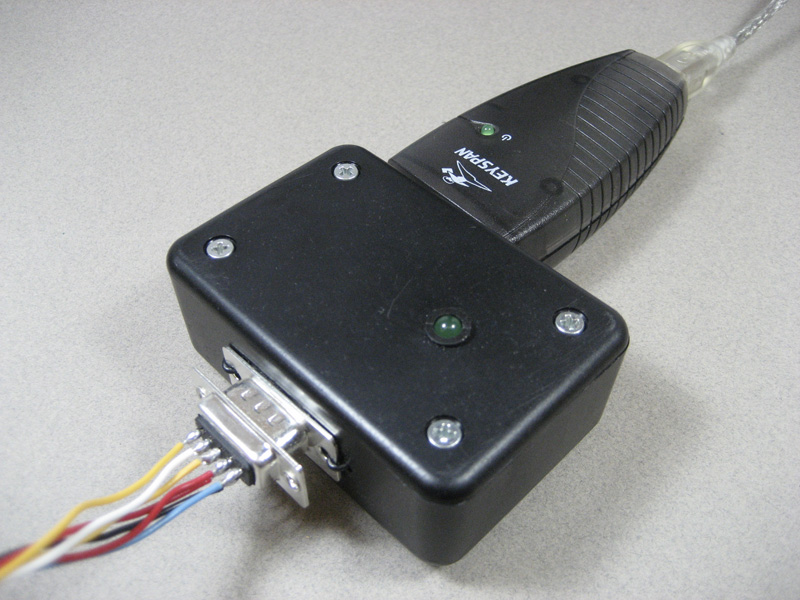
I created a circuit to read the voltage sent to the vibration motors in the game controller. The strength of the voltage is controlled by API in XNA. Therefore, I can create my own protocol to map the strength of the voltage to a set of commands in my microcontroller (BS2). For input to the XNA, I use the analogue stick(s), it is made of two potentiometers with about 10K resistance each. In XNA, the resistance will be mapped to a number between -1 and 1.
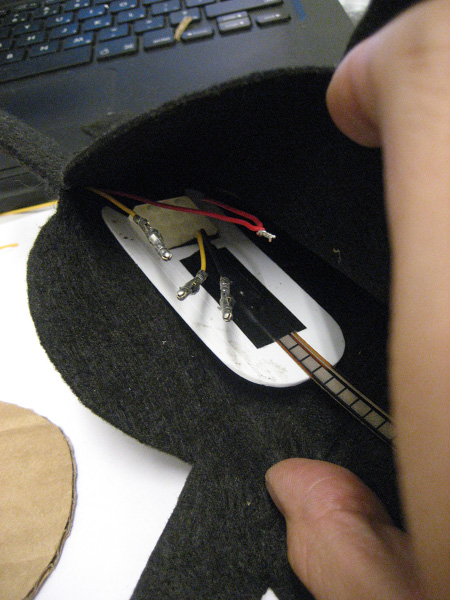
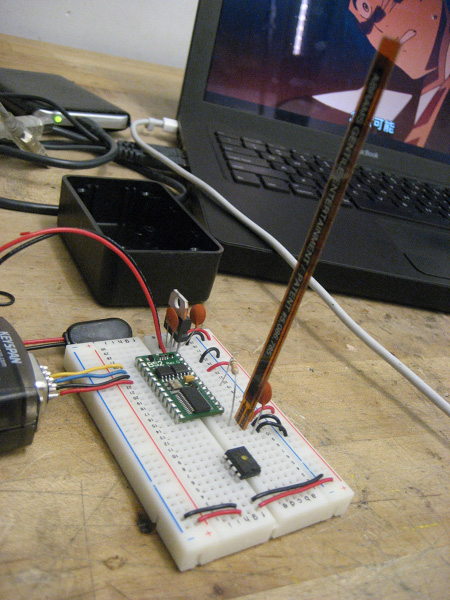
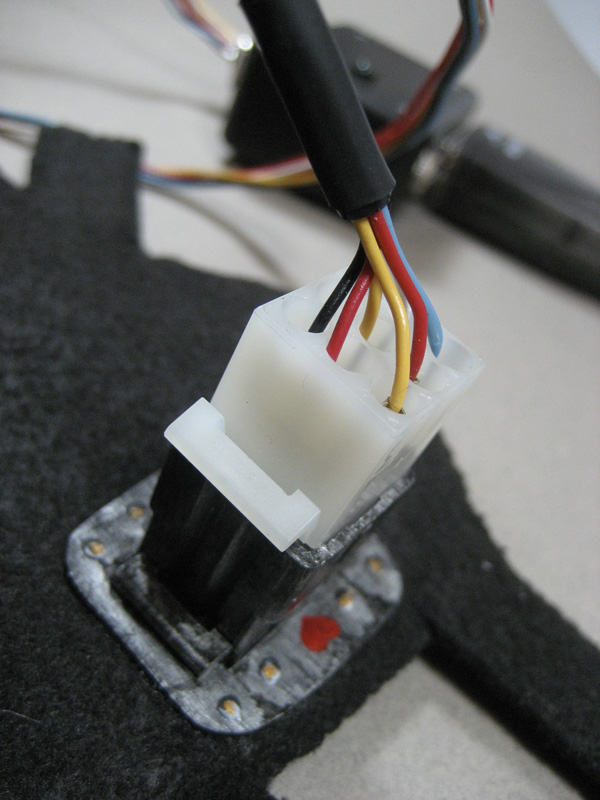
I had a lot of fun hacking Xbox 360 controllers, especially making the slave mobile sub-unit. It is made of two modules, a motor module and secondary communication module (SCM). The motor module came straight from an old toy of mine, it has two sets of geared motors well intergraded together in a metal structure. SCM is slightly complicated. It is made of an Atari 2600 cartridge PCB, a BASIC Stamp 2 (BS2), a motor driver, and a set of two optoisolators. When I designed this chassis I decided to look back to early video game hardware for inspirations. I have been using the Atari 2600 cartridge PCB for some of my BS2 projects in the past. The PCB has exactly the same number of pins as a BS2 chip. I usually mount my BS2 on a PCB, and use it with a regular Atari 2600 connector, it looks really nice on top of a robot.
https://makezine.com/2008/05/30/parsons-design-technology-1/
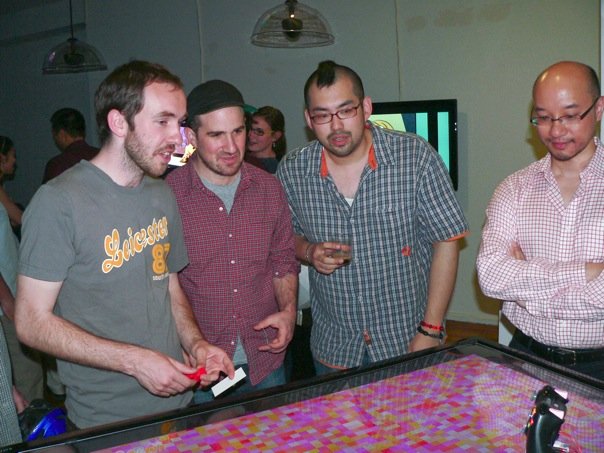
Experiment on alternative haptic technology. This balloon popper is driven by a modified Player 2 XBOX 360 controller, one of the vibration motors of which was replaced with an air pump. In this specific experiment, the pump responses to the player 1’s movement!
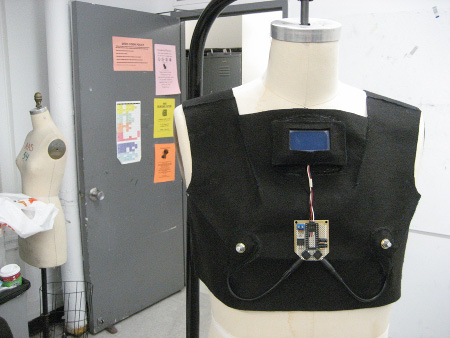
PONG VEST is a game vest that transforms a social phenomenon into a fun and awkward experience right where it happens.
Does it really matter where you play the game? Will the context enhances, or subverts the game experience? It is going to be a mixture of all. My vital sign for this first assignment is human gesture and the particular one I am looking into is men’s most mysterious phenomenon-”nipple grabbing.” In my participant observation, grabbing each other’s nipples is an interesting activity among men. They are sensitive; they are weak; They are the best targets for a friendly attack. It is usually the last minute enhancement to a joyful picture of close friendship. We’ve seen this happened countless time among us so now it is time to spicy it up! PONG is hands down the best solution to this project. Despite the fact that PONG is the best example for a paddle controller game, this historical landmark symbolizes the beginning of our body as a playground.
Instead of detecting a vital sign and have the wearable react to it passively I want the wearable to take over the initiation and then trigger the vital sign. Jennifer’s Intimate Controller will not become an intimate wearable until the interaction begins when the players touch the predesignated buttons in their underwear. (This reverse process also applies to most of the sensorless LED garments.)
A. Game controller and underwear- Jennifer Chowdhry and her Intimate Controllers
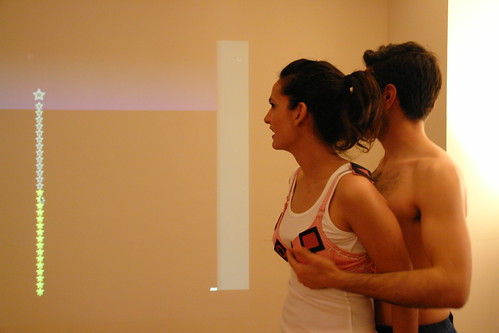
Jennifer Chowdhury, the mind behind what is either the stupidest or the greatest idea of all time, started by making a bra into a paddle controller. Touching the left breast made the paddle go left, and touching the right one made it go right. Building off of that, she came up with the controllers that has six different sensors in it, and for the fellas there’s a set of boxer shorts with another six sensors.
B. massage-me

Massage-me is a wearable massage interface that turns a video game player’s excess energy into a back massage for an innocent bystander.
C. Joseph Beuys

D. Lee Bontecou

E.Issey Miyake

C.D.E. Design wise, I look into works by Joesph Beuys, Lee Bontecou, and Issey Miyake. I want to bring out the awareness of a piece of cloth and the three dimensional aspect of it.
>sketch out
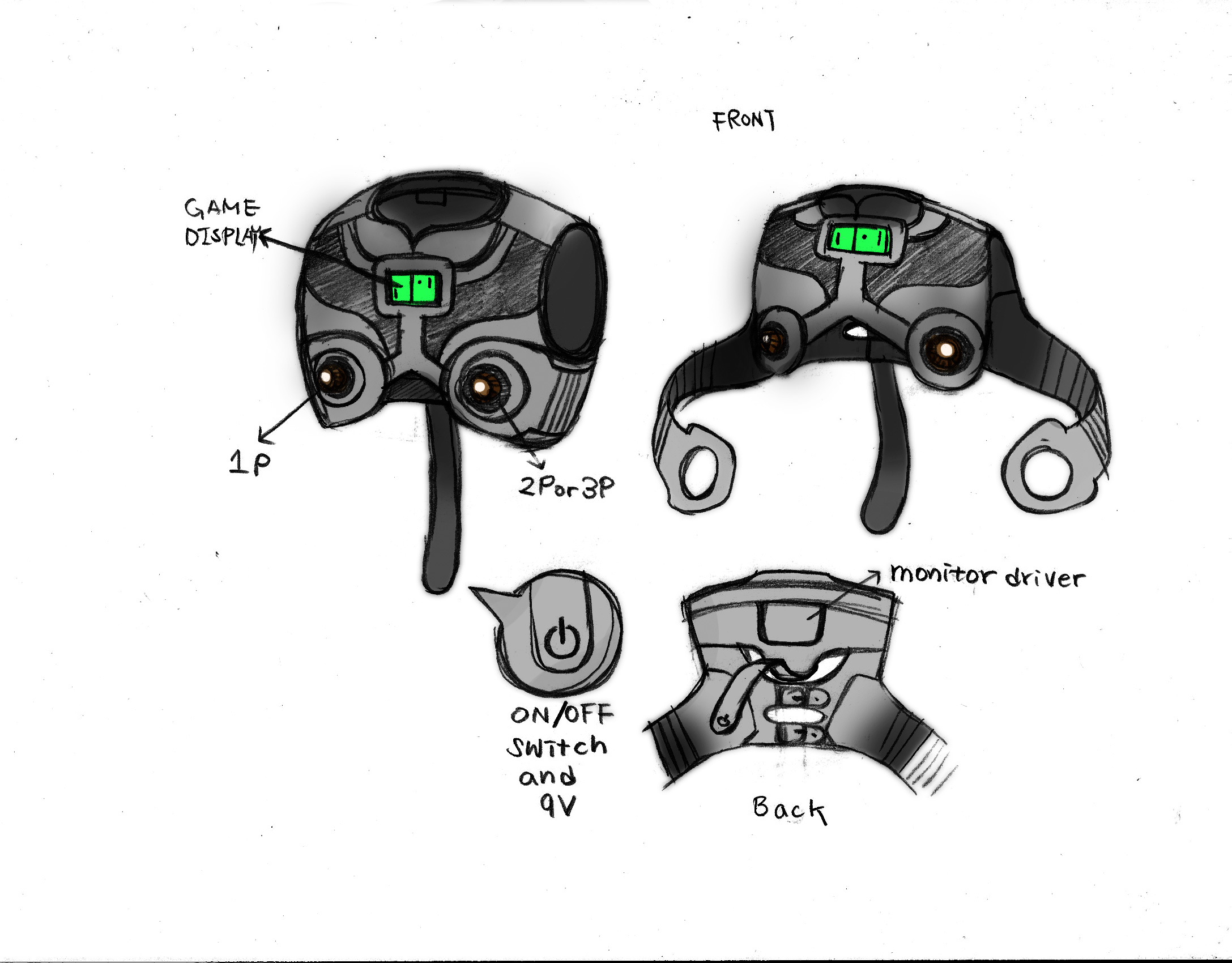
click to enlarge
>testing the circuit on a breadboard


>solder them to a board and rearrange to make the circuit smaller
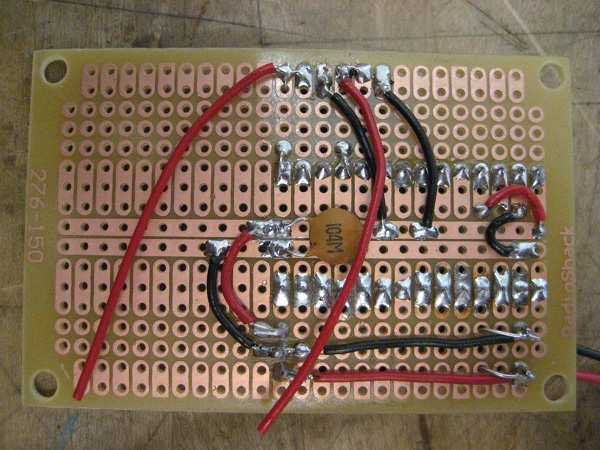
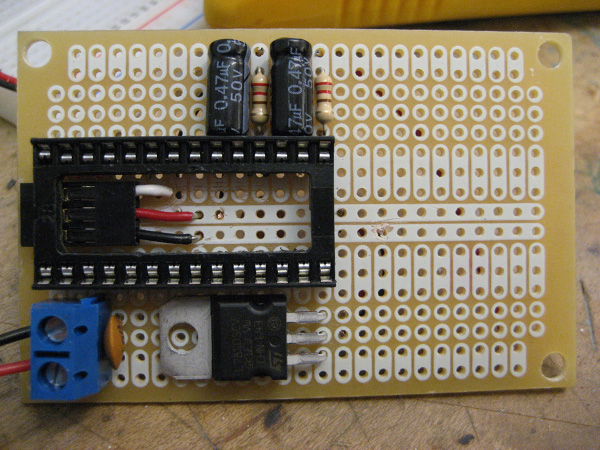
>hide the LCD serial output under the Stamp socket to save some space.
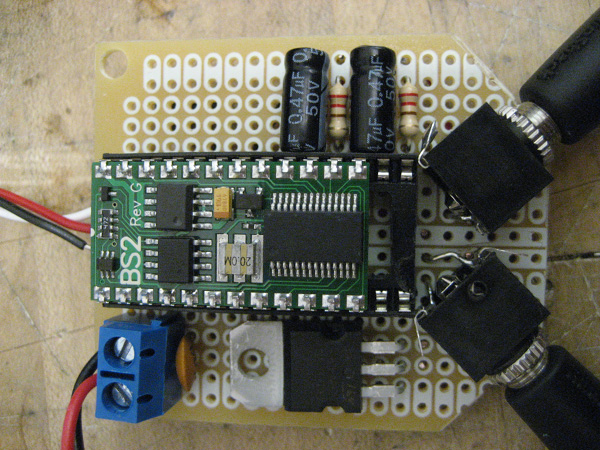
>mono phone jack as control input for easy detachment
>add serial port ( the four pin thingy ) for easy update
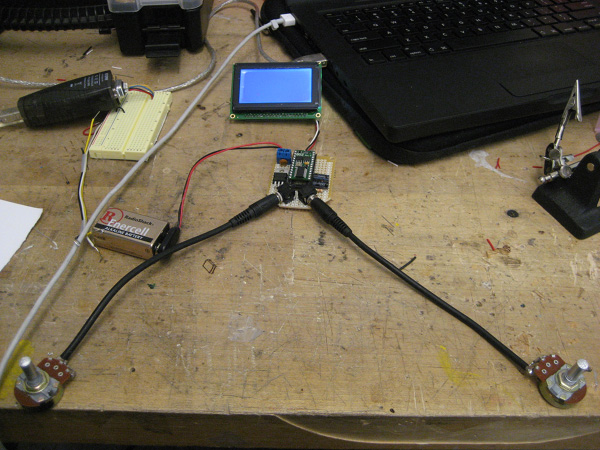
>screen testing
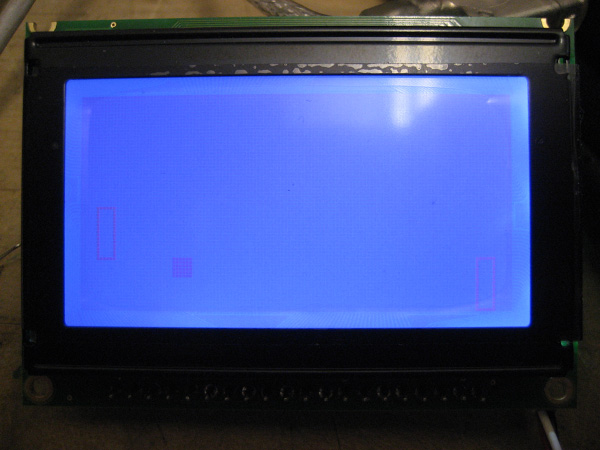
>the paddle controller is complete! (still need some skins)
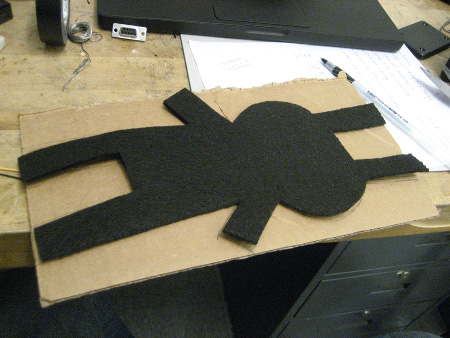
>start sewing lately. I only know one way to sew and Alison taught me how to close it. I am covering the technology with fabric and will eventually move to bigger piece.
>it is done!


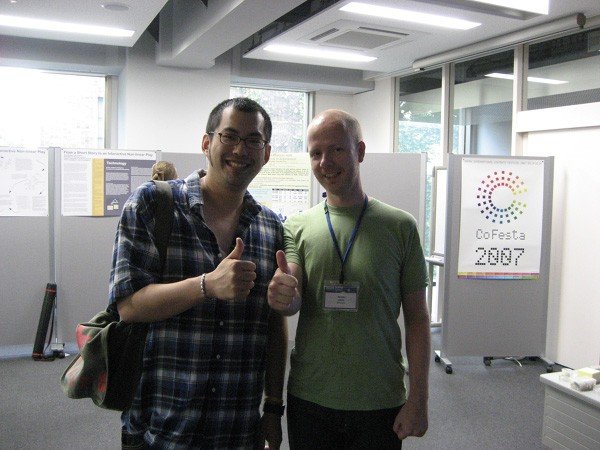
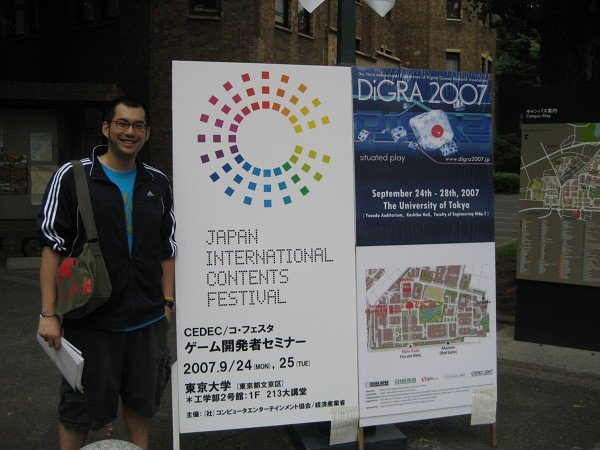
Dr. Jesper Juul, a video game scholar, visited our program last semester. He is very knowledgeable in games and offered a different approach to game design compares to how it is being taught at Design and Technology. He is also the first PhD in Video Game I know. He led a semester-long independent study on experimental game design in DT and I was very fortunate to be apart of it with my teammate – Albert Dang. We had this idea of “leveling down over the course of the gameplay” from the beginning. Is it possible to create a game that the end goal is self-destruction instead of survival? The Suicide Game is the end product of this experiment. Dr. Juul and we wrote a poster of our collaborative game together and it was selected and presented in CoFesta DiGRA in Tokyo Japan (2007). I visited the game festival at Tokyo University and met Dr. Juul there. Many people there came over and greet Dr. Juul and thanked him for his works on the online FPS community. I didn’t realize how famous he was in the game industry till that moment!
read the poster: http://www.jesperjuul.net/text/suicidegame.pdf
Built a game to battle monsters to the eternity.
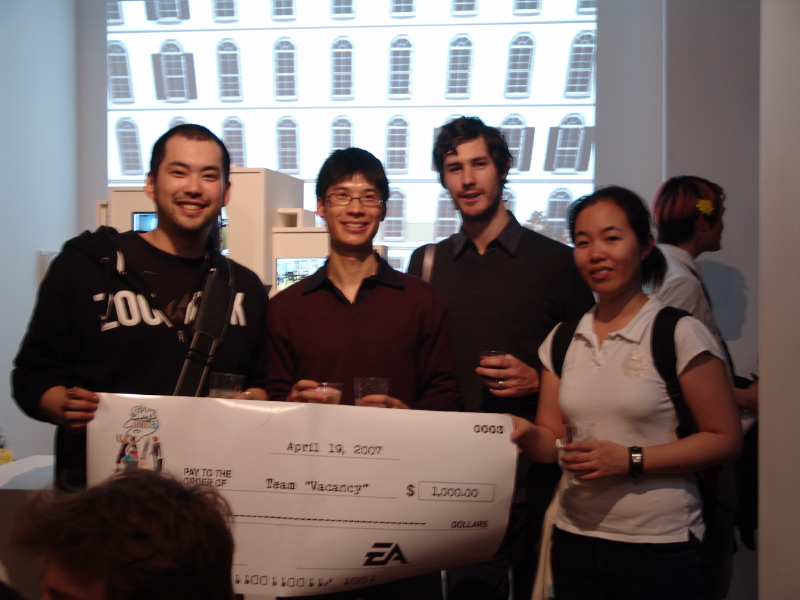
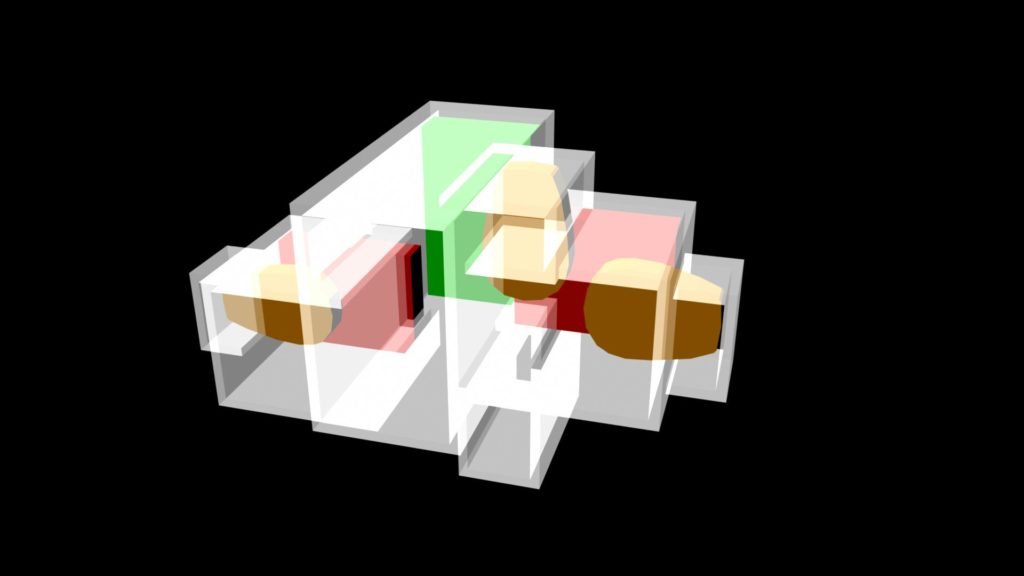
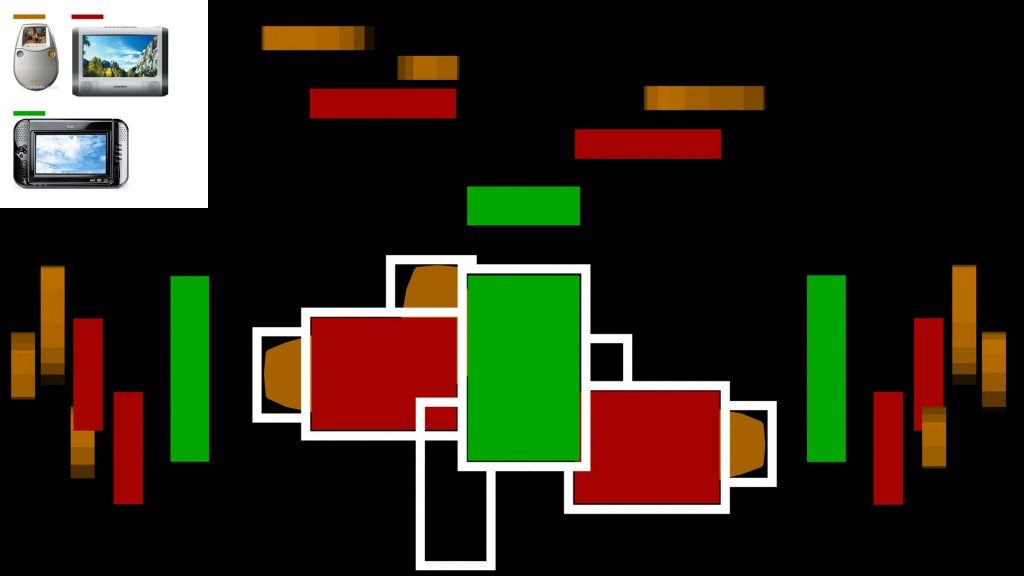
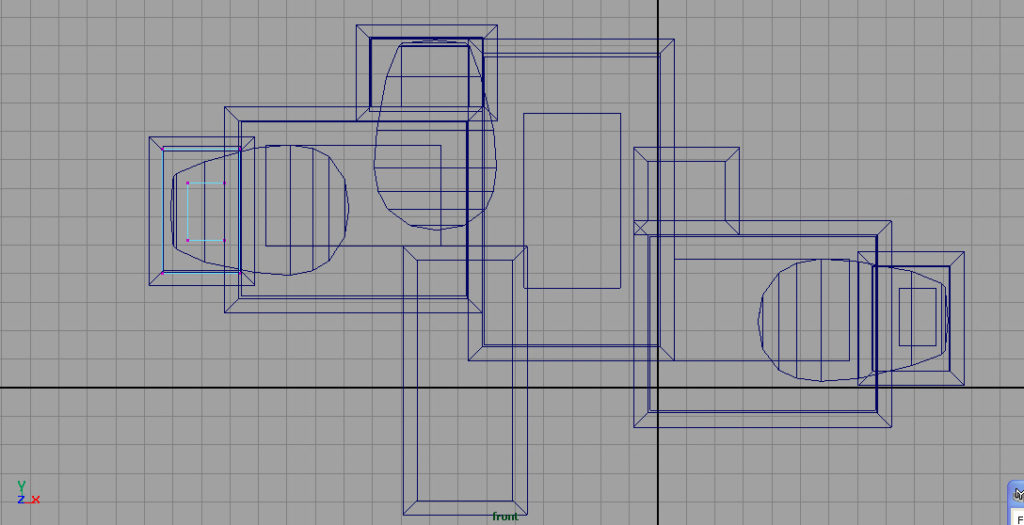
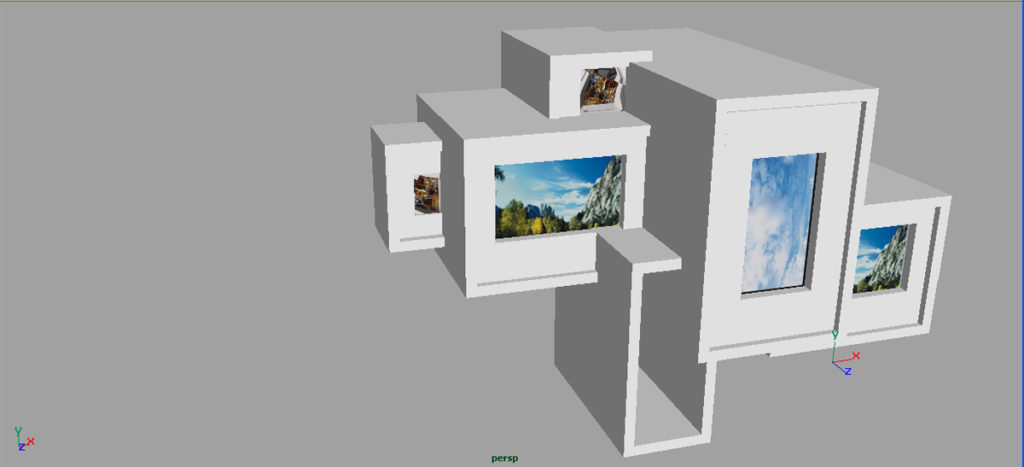
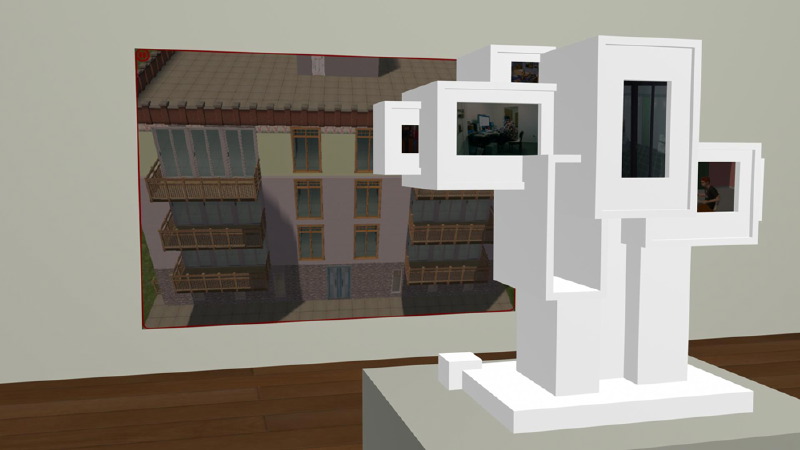
[52 E 7th St] is an exploration of the voyeuristic tendencies that people have in public and private spaces. It is a collaboration made possible by Albert Dang, Christopher Dye, Hee Jung, and Kyle Li. In the film Rear Window, Alfred Hitchcock demonstrates how observing others in this way often leads to blending perceptions of the eye with perceptions of the mind, thereby forming a dynamic narrative for the viewer to make interpretations of what he sees in both a conscious and subconscious manner. The choice to use The Sims as a medium highlights how voyeuristic behavior objectifies our subject matter in order to make this process of interpretation more apparent. As Scott McCloud elucidates in Understanding Comics, the abstraction of the form allows the viewer to project his own self on the depicted person. Through the use of a live web camera feed into one of the artist’s apartments, [52 E 7th St] suggests that the projection of self from viewing the abstract also occurs when viewing real people in this way.
Digital rendering of the installation:


Dye: We wanted the scenes to be pretty mundane, as voyeuristic scenes actually are. You hope for something to go on, but it rarely does.
Li [Points to a scene of a kid on his computer]: This is what I do every day, from nine to two in the morning.
The Execution:
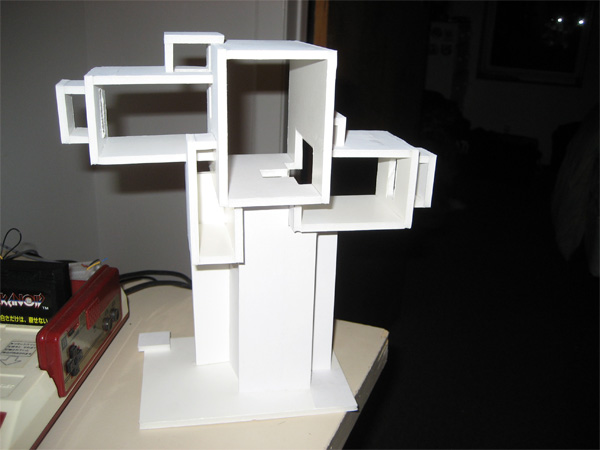
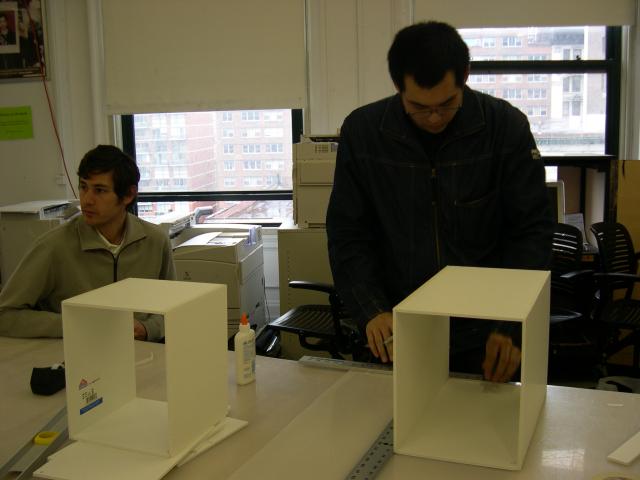
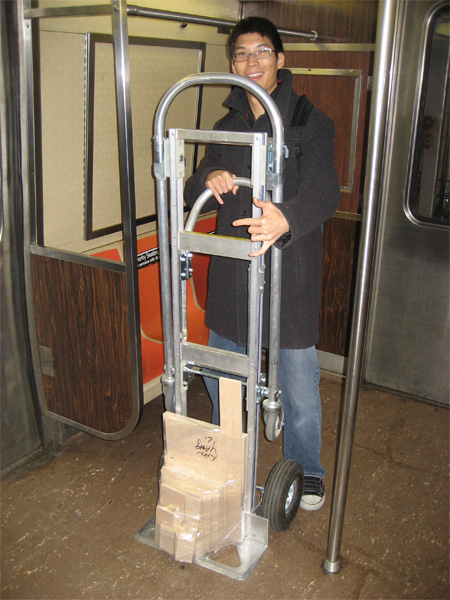
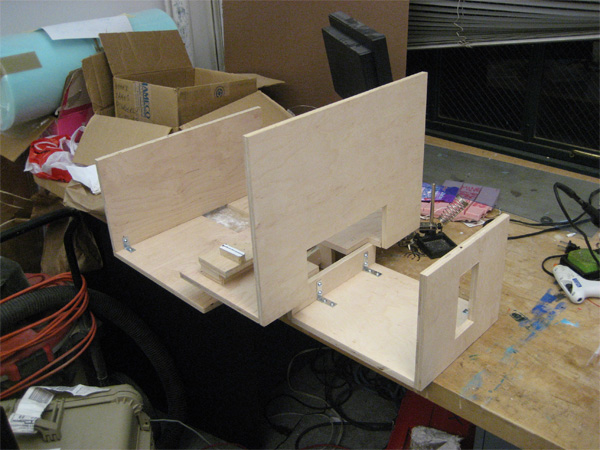
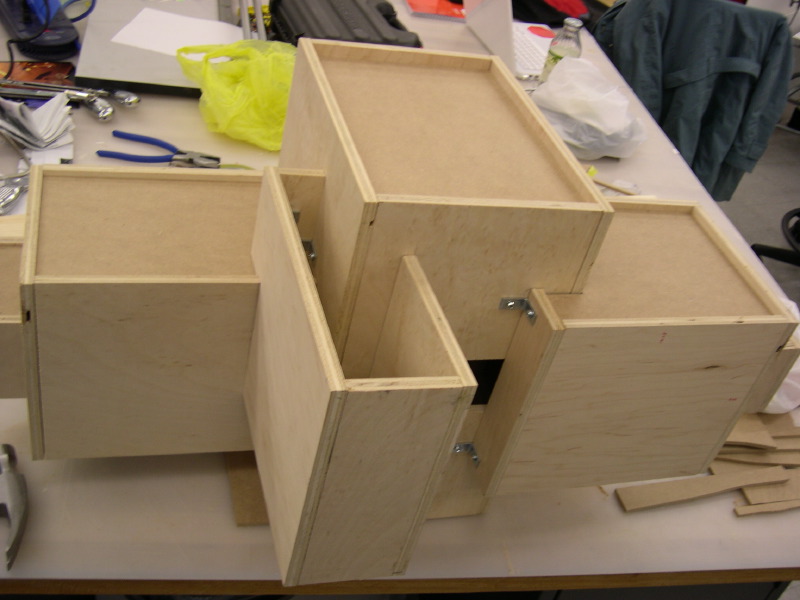
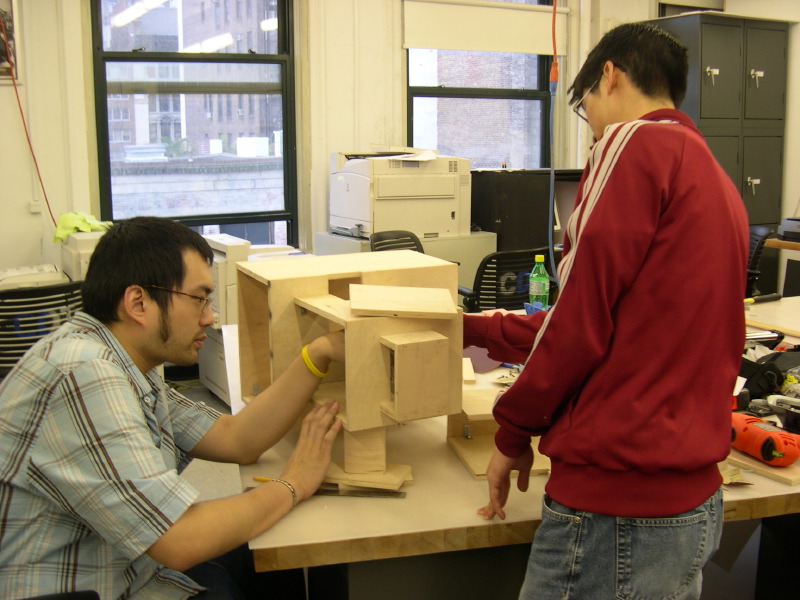
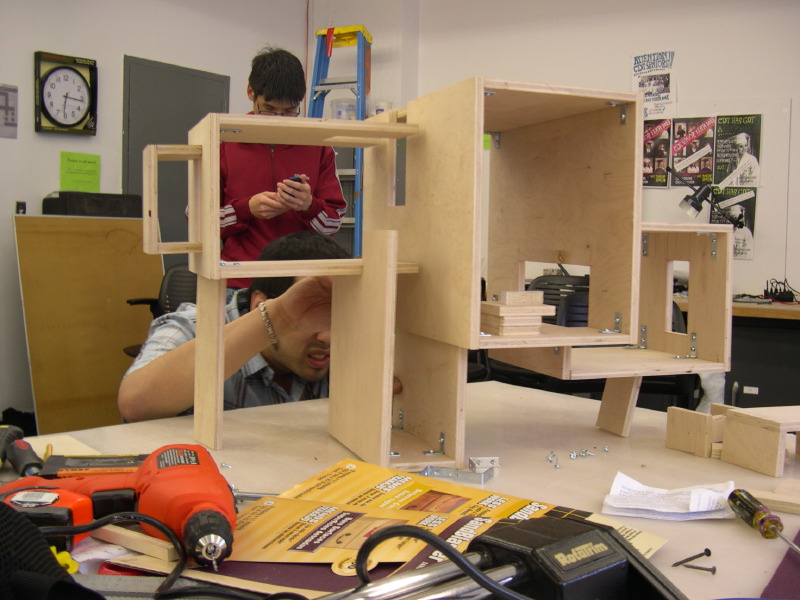
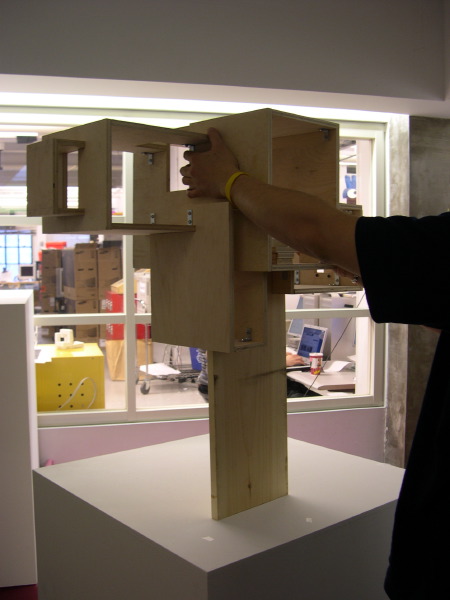
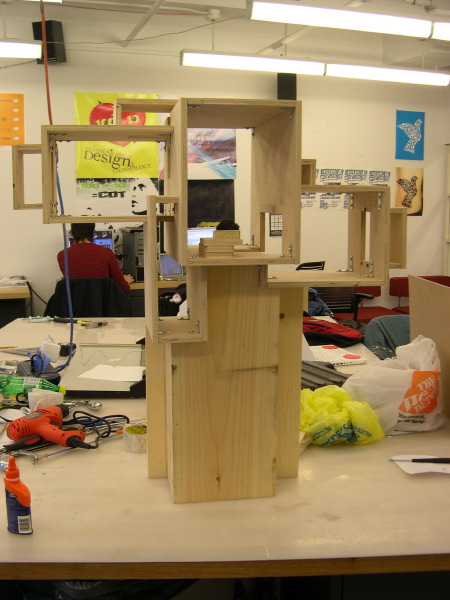
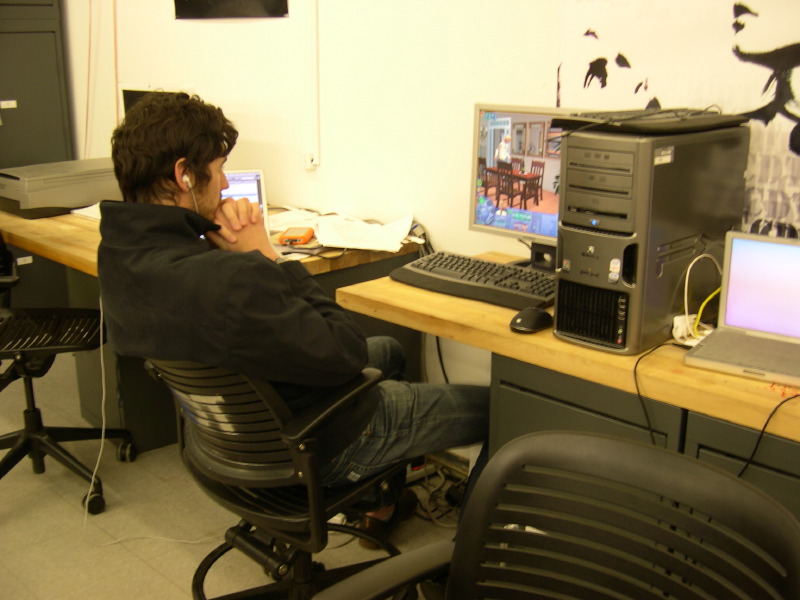
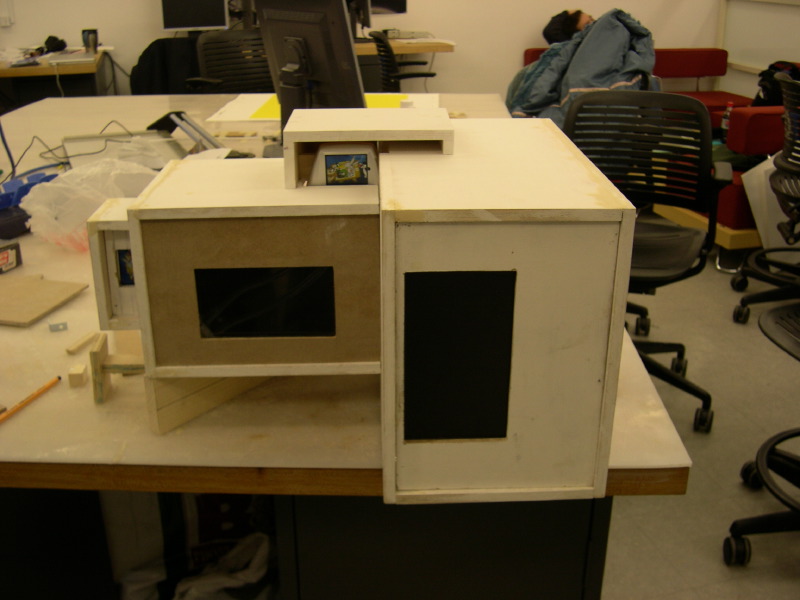
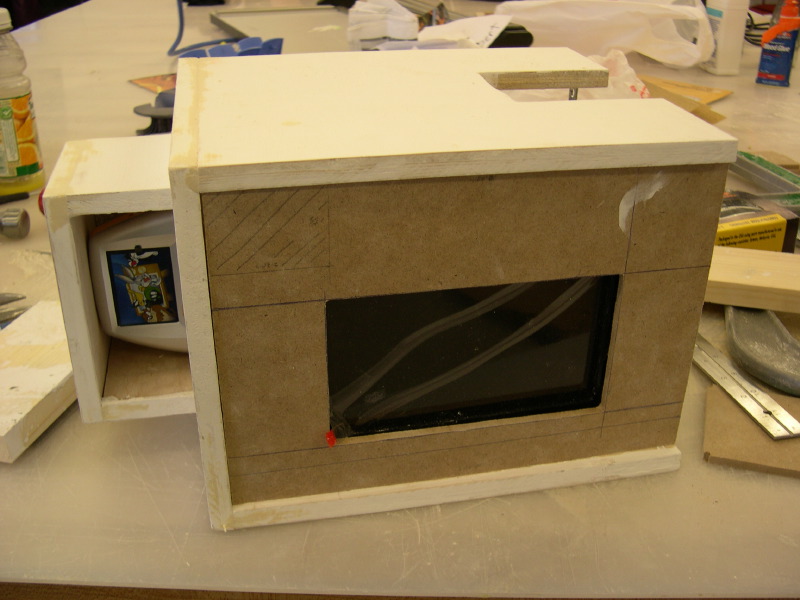
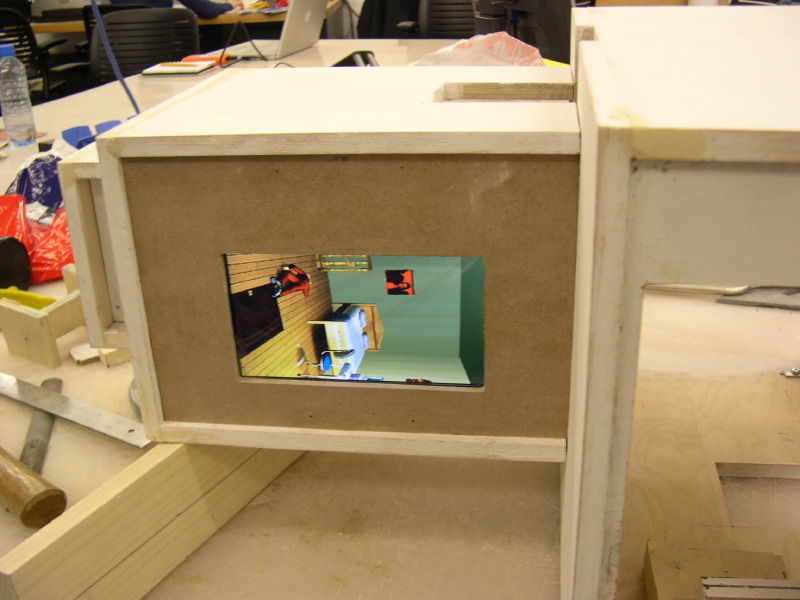
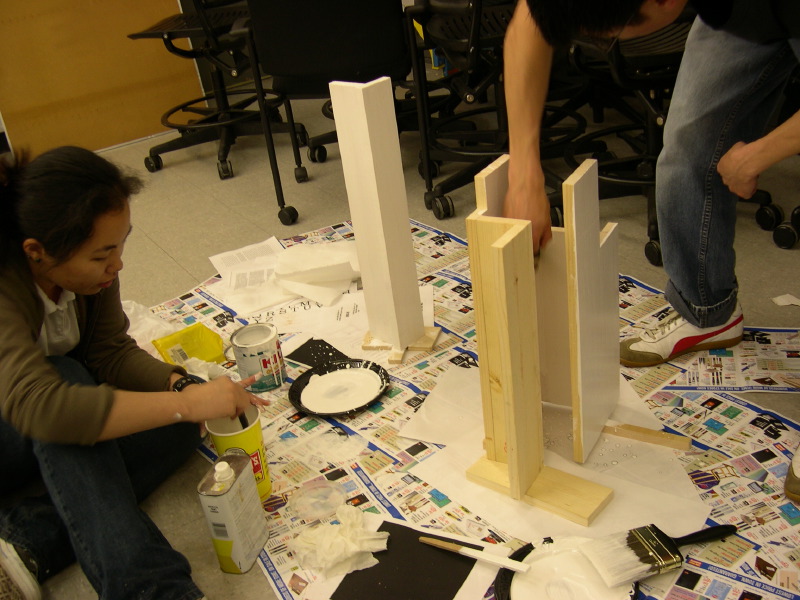
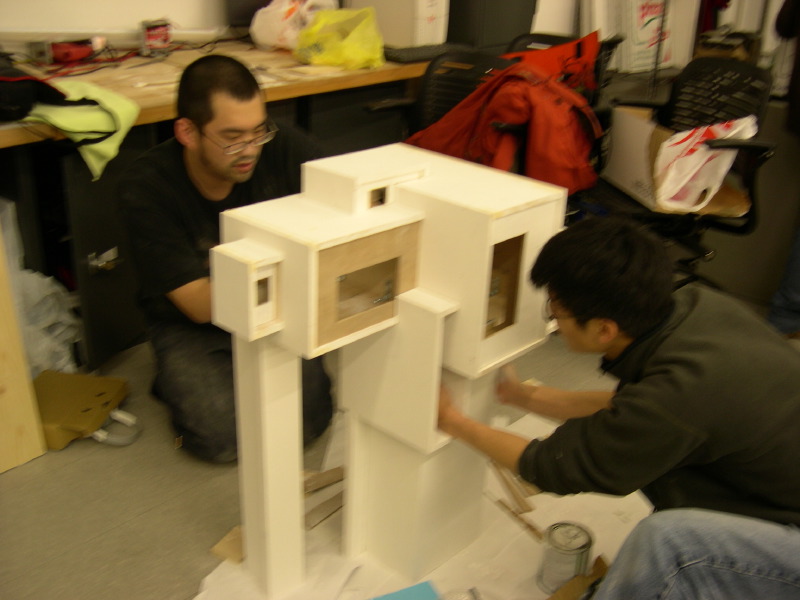
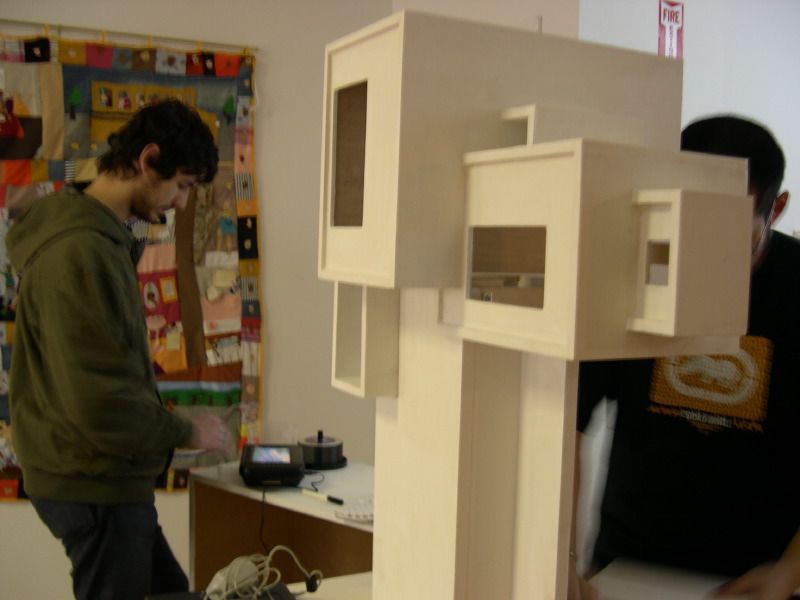
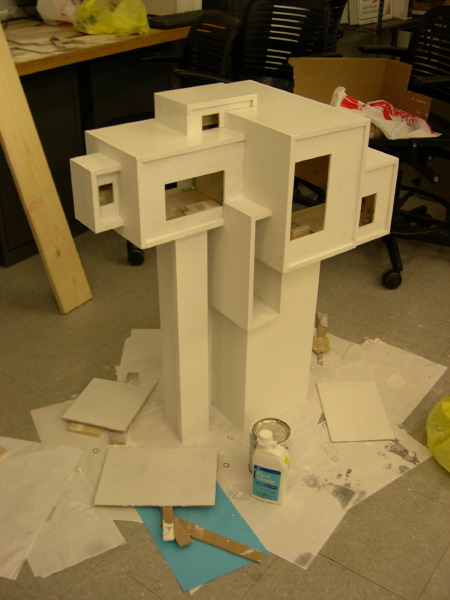

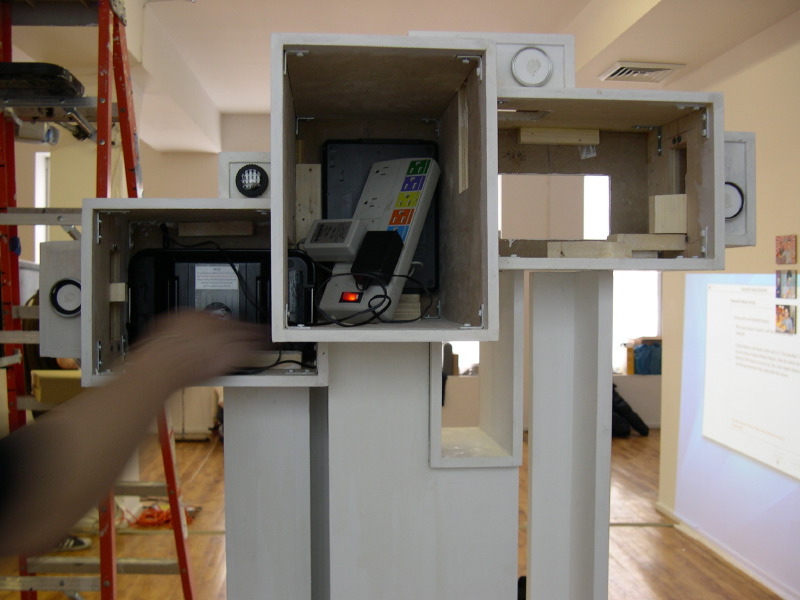
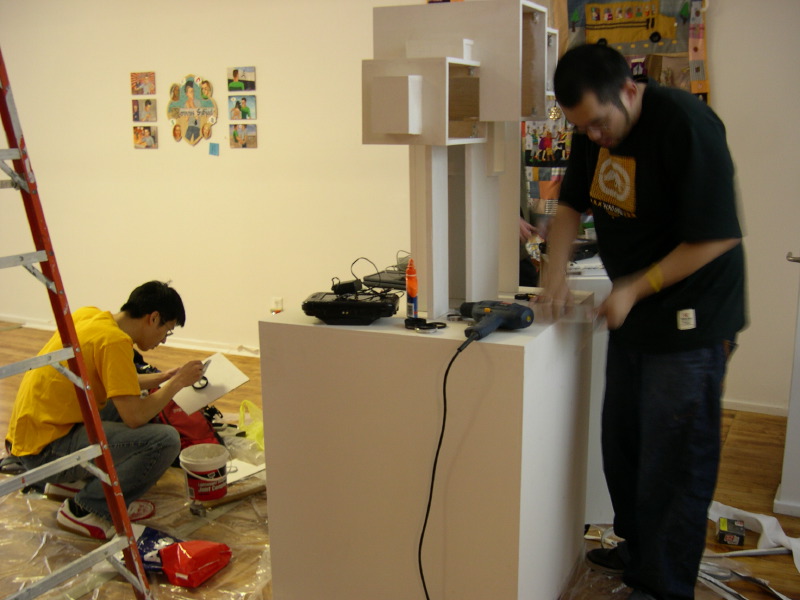
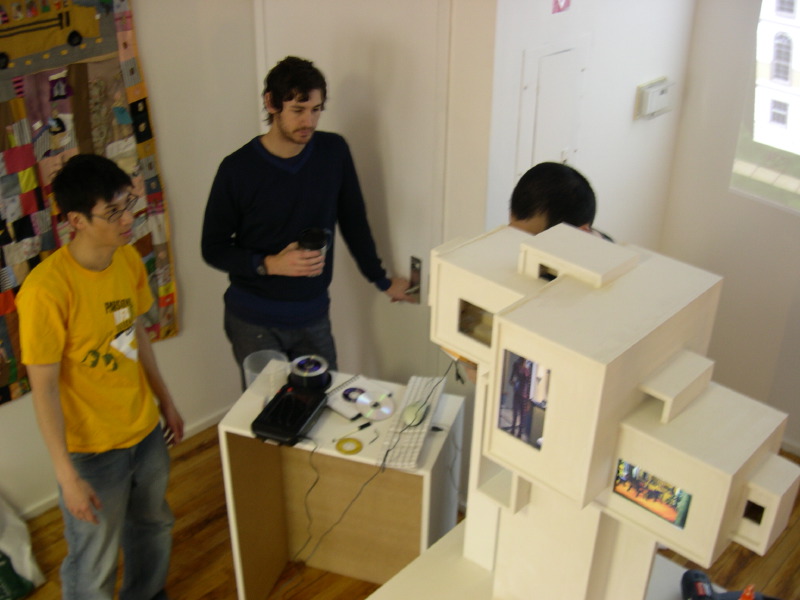
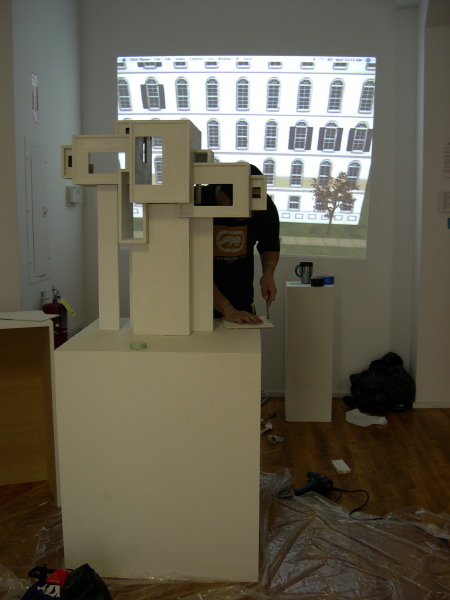
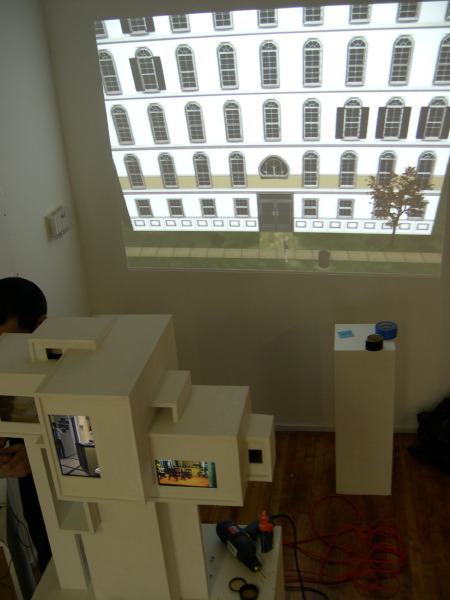
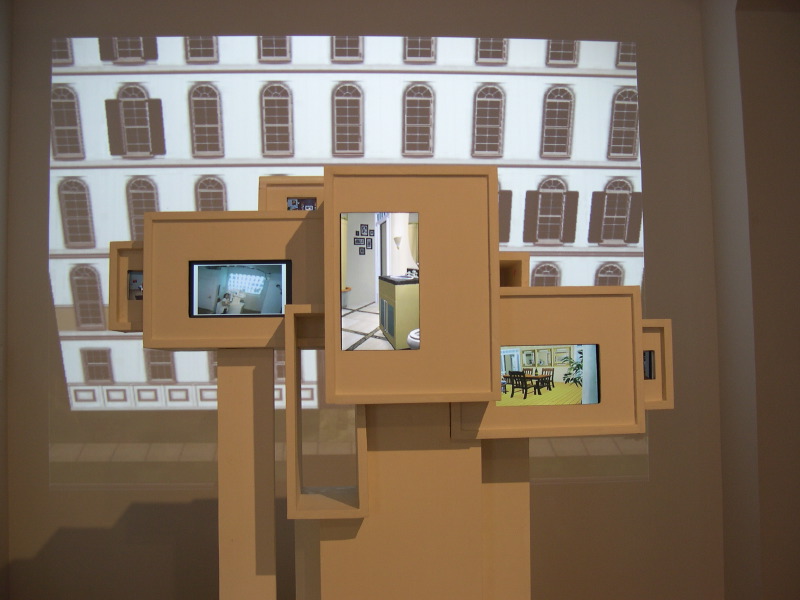
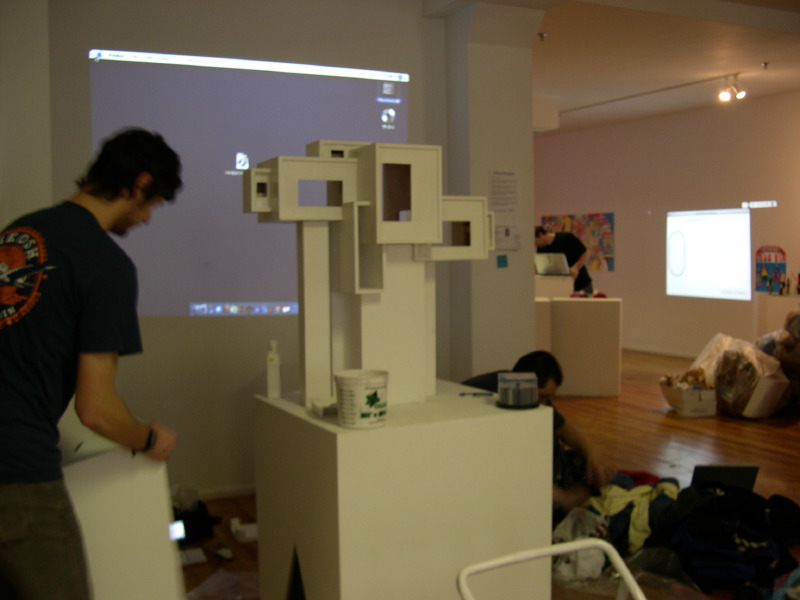
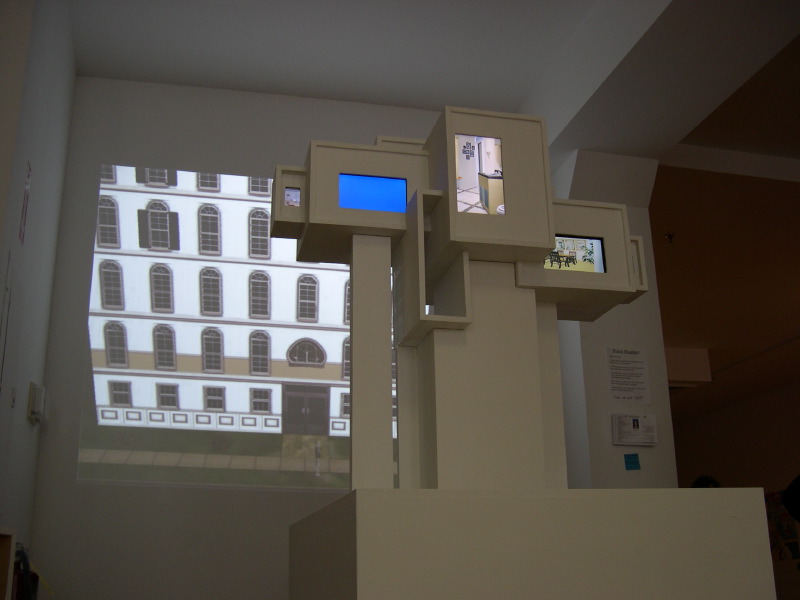
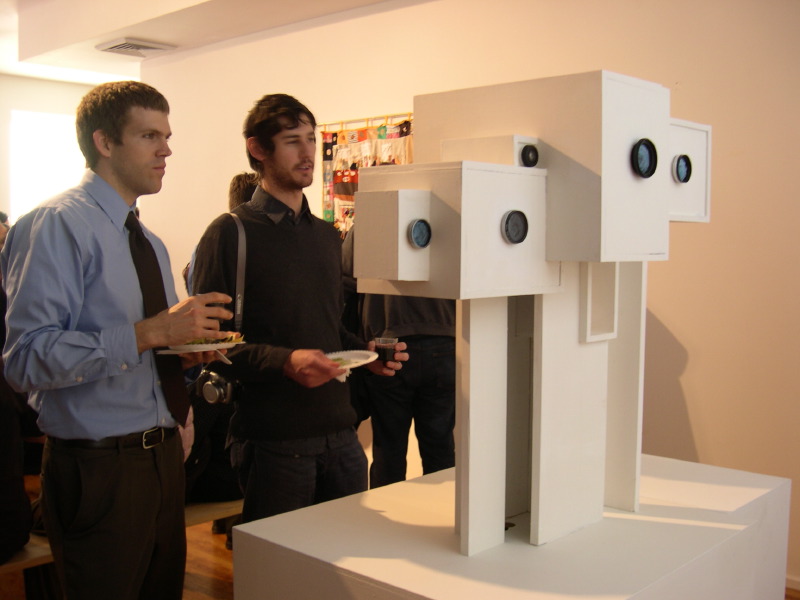

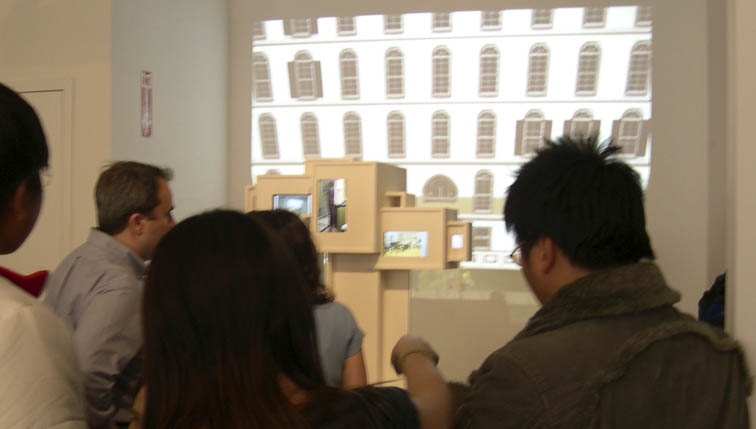
This project is part of a Sims 24 machinima game jam and competition. We won third place and exhibited in a show with other winners in Chelsea. My main role in the project is to design and create the free-standing sculpture that serves as a window complex to the virtual world of Sims.
This project is part of a Sims 24 machinima game jam and competition. We won third place and exhibited in a show with other winners in Chelsea. My main role in the project is to design and create the free-standing sculpture that serves as a window complex to the virtual world of Sims.
featured in:
New York Magazine article: Sim Art
GamesRadar: Sims and Art meet in New York
MTV News: The Sims at Parsons the New School for Design
Creativity On-line: Parsons the New School for Design meets the Sims
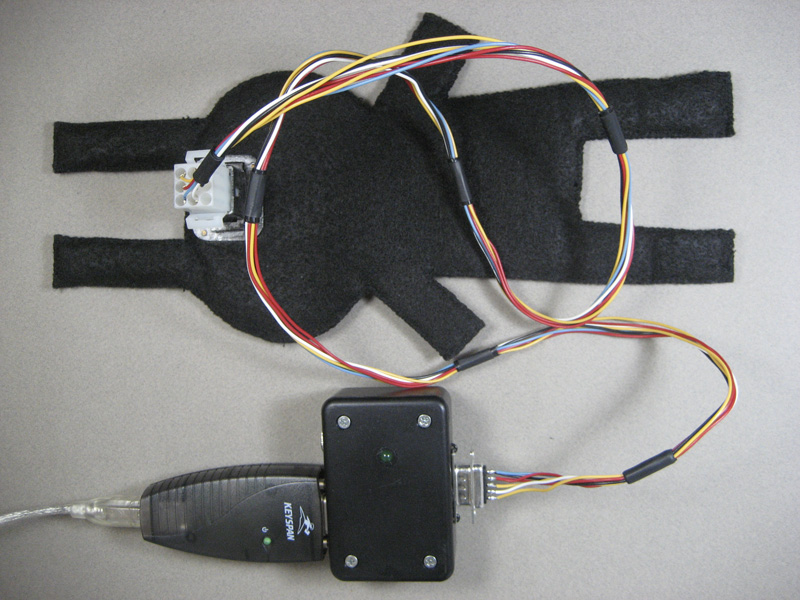
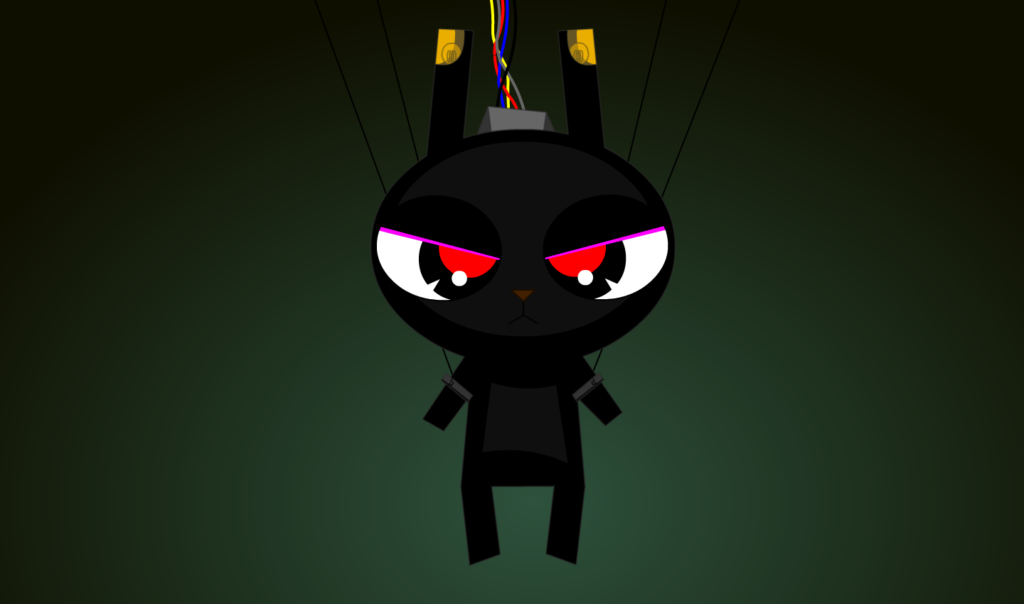
Something is going terribly wrong in the Cyberspace… Dr. Miyaki summons his favorite agent, Mabbit, to aid the investigation. Tab the body to run, and pinch both ears to send a shockwave of pain to the Mabbit’s circuit for destructive reflex!…
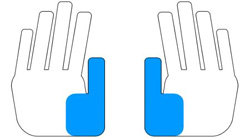
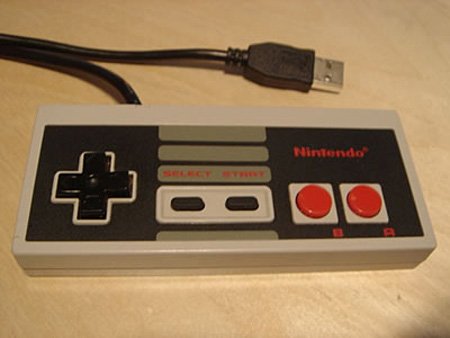
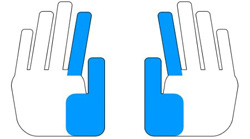
The goal of this project is to create a game interface that exercises those fingers we don’t normally use while playing video games. Since the early 80s, gamepads have become standard controllers for most of the home video game consoles. The first generation of gamepads consists of a directional pad (or joystick) and one to two buttons. It is a result (better?) of the competitive controller developments in the late 70s and early 80s. To master those standard controllers in the 80s, all a player needs are two healthy thumbs. The early 90s, Super Nintendo introduced two more buttons on the front of the gamepad, now players have to incorporate their index fingers into the control scheme. When Play Station came out at 1995, the controller has two more buttons that players have to either use both index and middle fingers or move their index fingers fast between the two front buttons (four on both sides). Gamepads that are designed after Play Station are basically built on top of it with more works for thumbs (Analog sticks and more buttons on the top). The number of fingers used in gaming didn’t change since then. There are special controllers that exercise all the fingers on one hand, such as ColecoVision Super Action controller (my all-time favorite), ASCII Grip (for RPG game in general), Play Station one-handed controller (for super robot war series), Guitar Hero, … etc. What about all the fingers on both hands? hmmm, interesting!
Fingers used in the home video games history (1980 to Current)
1980s
1990s
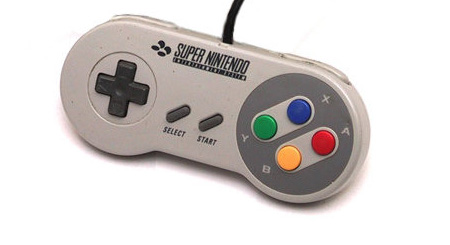
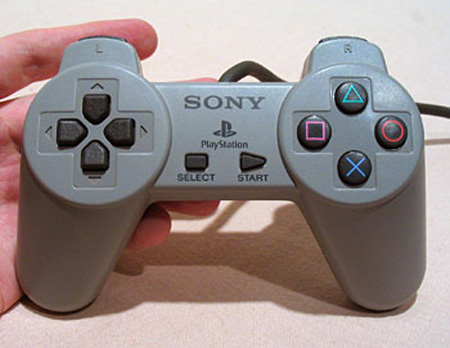
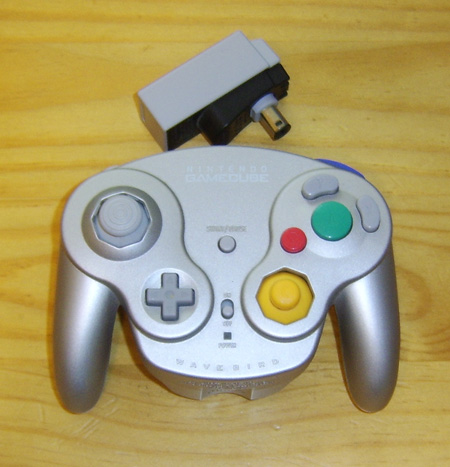
2000

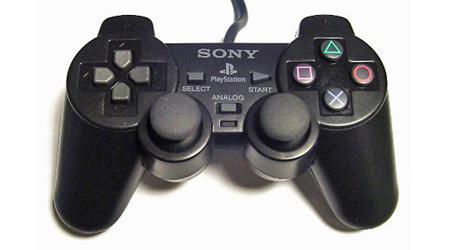
2006

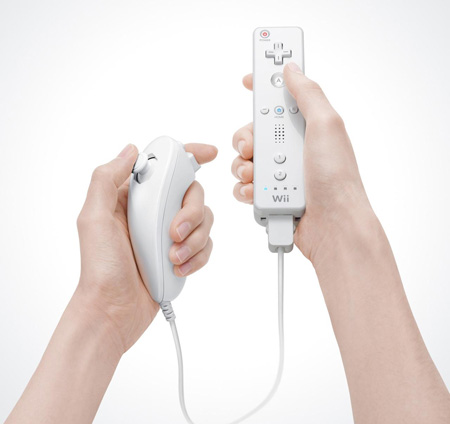
methodology:
I want to create a controller for the ring fingers and the pinkie fingers.

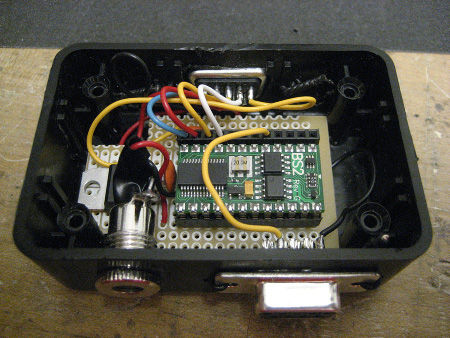
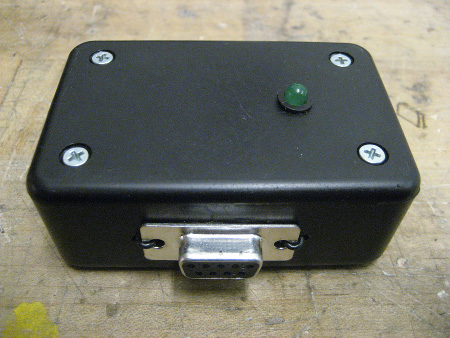
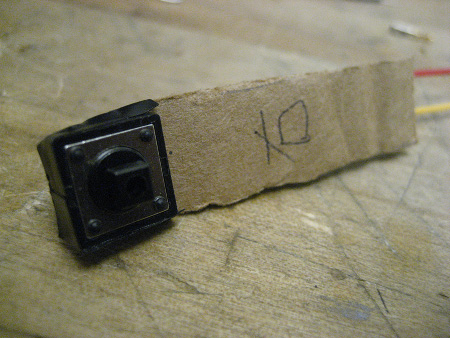


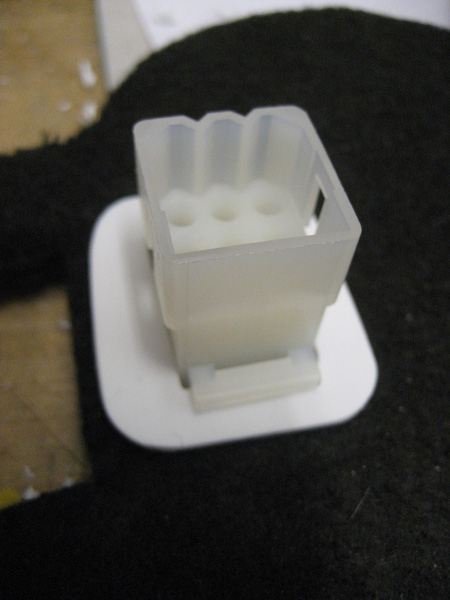
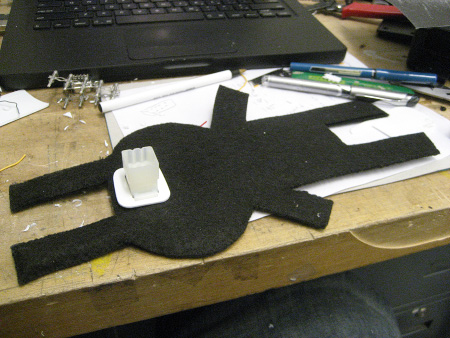
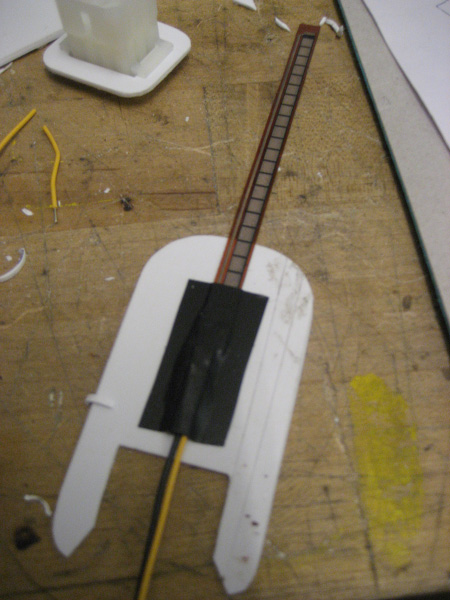
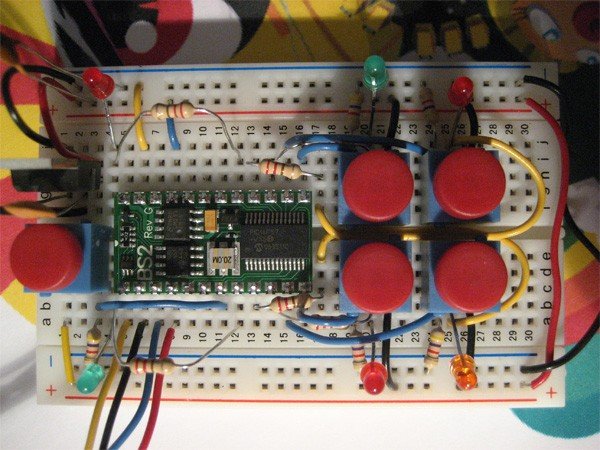
Normally, when I learn a new programming language, I build a simple game out of it. The process of building the game, usually a hangman game, helps me familiarize myself with most of the basic syntax in the new language. I did exactly that in my first physical computing class, I built a Simon Says game. Understanding how electronics work and its’ connection to human interaction is probably the greatest found for me here in MFADT. Growing up breaking every piece of technology I have for curiosity, and I am learning how to put it back together or, even better, repurpose them for my own artistic endeavors. To be able to extend my own design out of the screen to the physical world is a dream-come-true for me. Simon Says was the first thing I built in the Physical Computer class. Well, no matter what form it takes, it has to be a game, game, game, game (echoing).
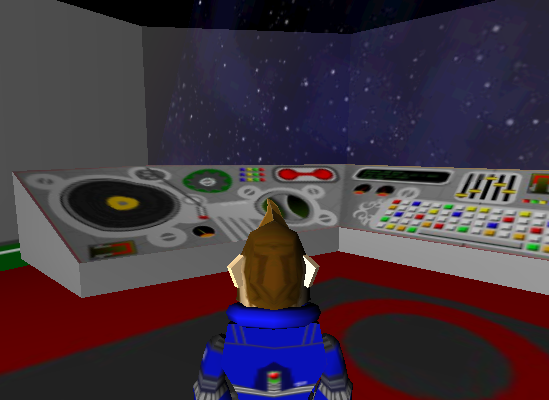
Captain Corrado’s spaceship has broken down in the middle of a long space voyage, the player has to help him solve puzzles related to colors and shapes in order to restore the power matrix of the main engine.
Captain Corrado is probably the first digital game I made that has some type of learning experience embedded. The learning design wasn’t based on any learning theory nor in-depth research at the time. The idea was straight forward that all the game elements in the game contribute back to the learning subject. It was a collaboration between Daniel Chapman and me at A.I.P.D ( Art Institute of Portland). Macromedia Flash and Director became popular while we were in our Junior year. The major we were in was having problems finding a teacher to teach the new tools. We decided to teach ourselves and this game was one of the projects came out of that tiny rebellious movement.